
Explore our world-class mountaineering library, apply for one of our grants, and dig in to your member resources.


Longway down
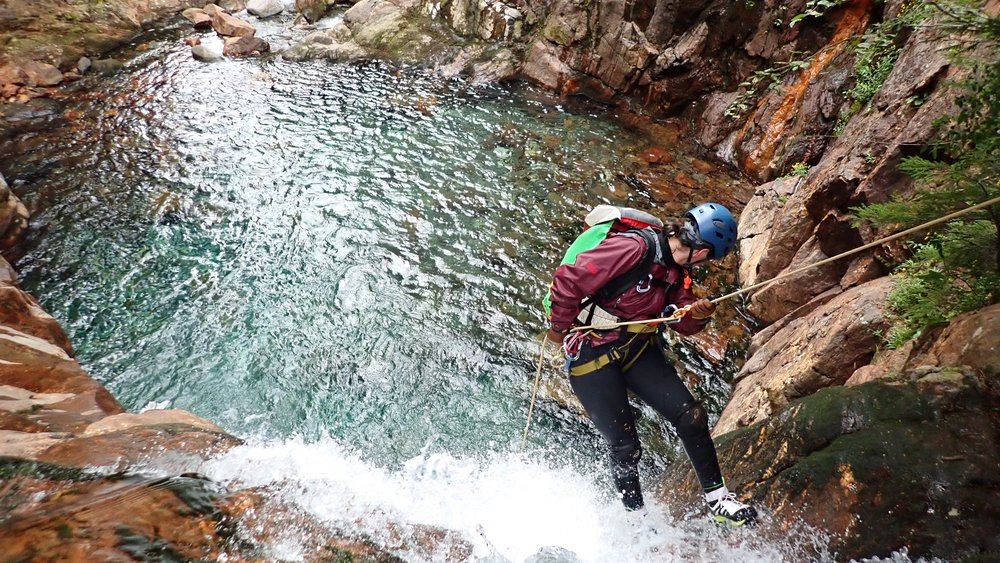
Mazama Canyoning
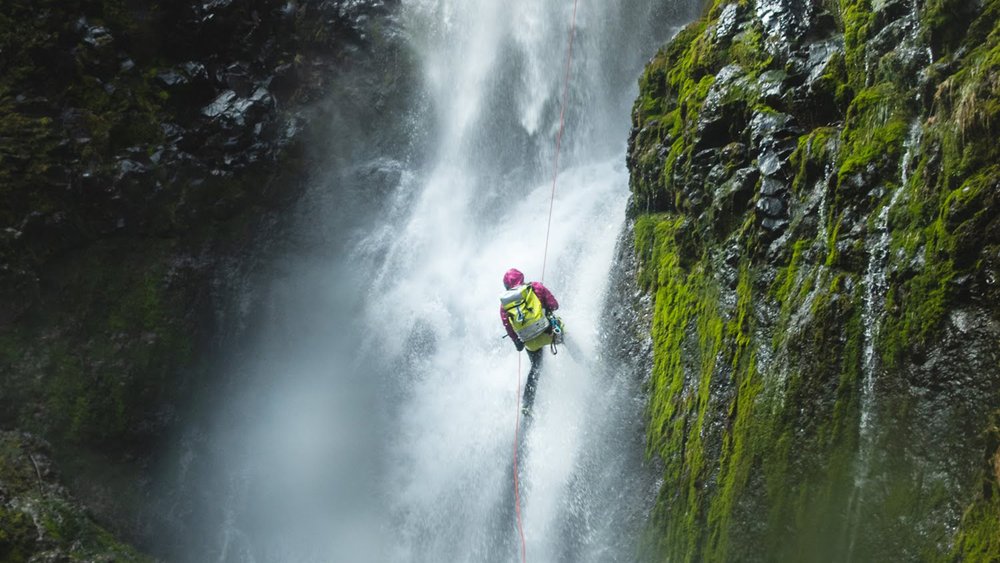
Mazama Canyoning
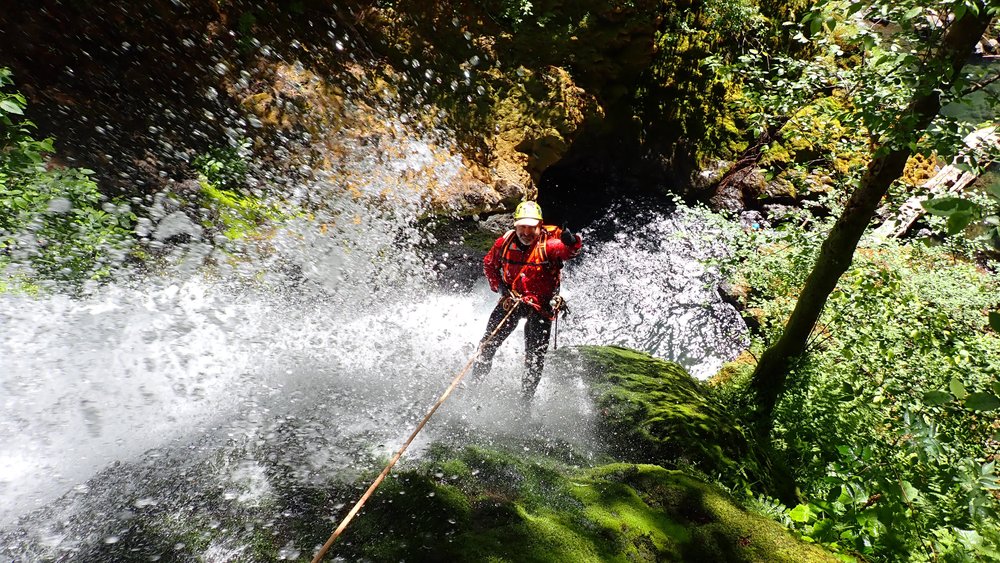
Thumbs up
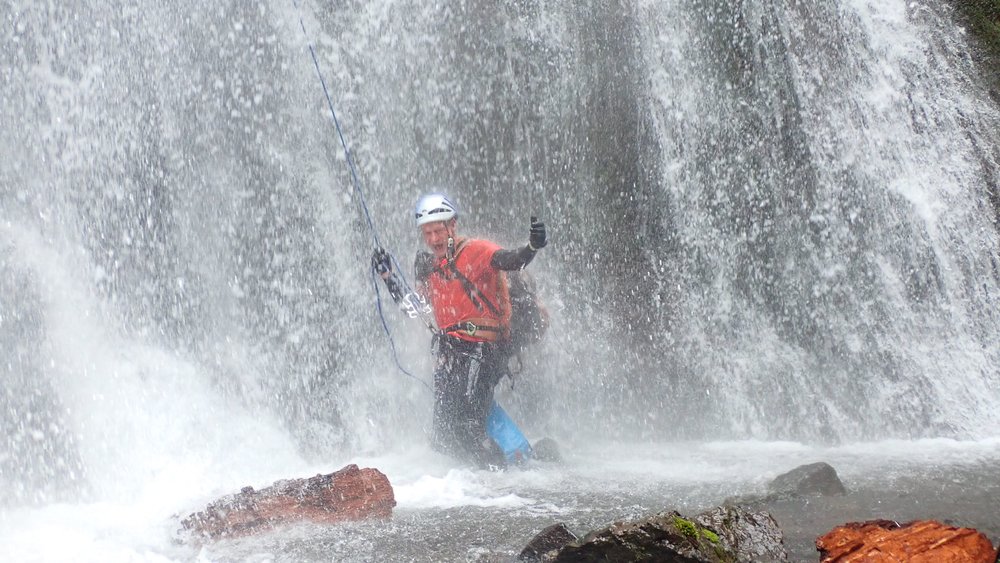
Wim Arts waterfall
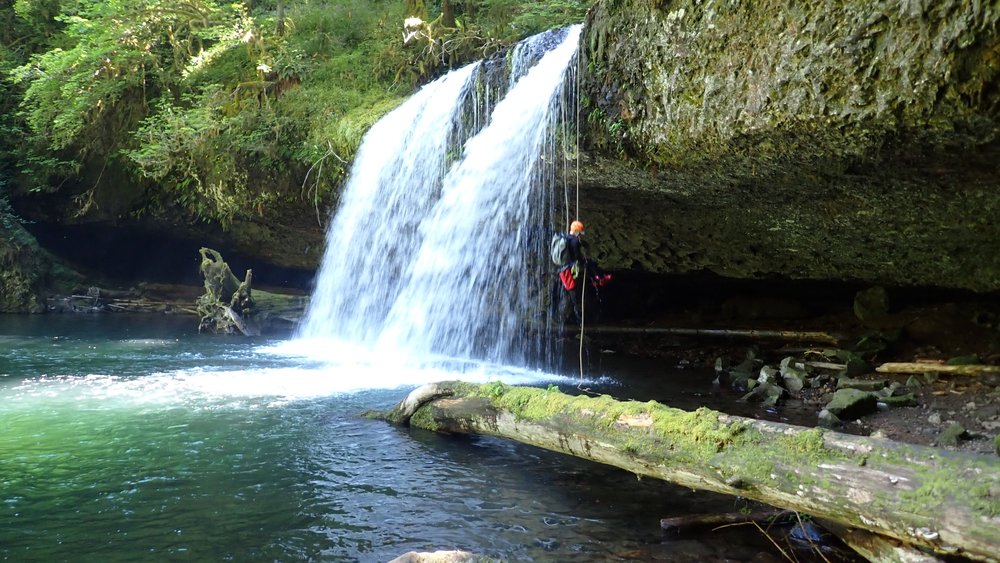
Waterlogged
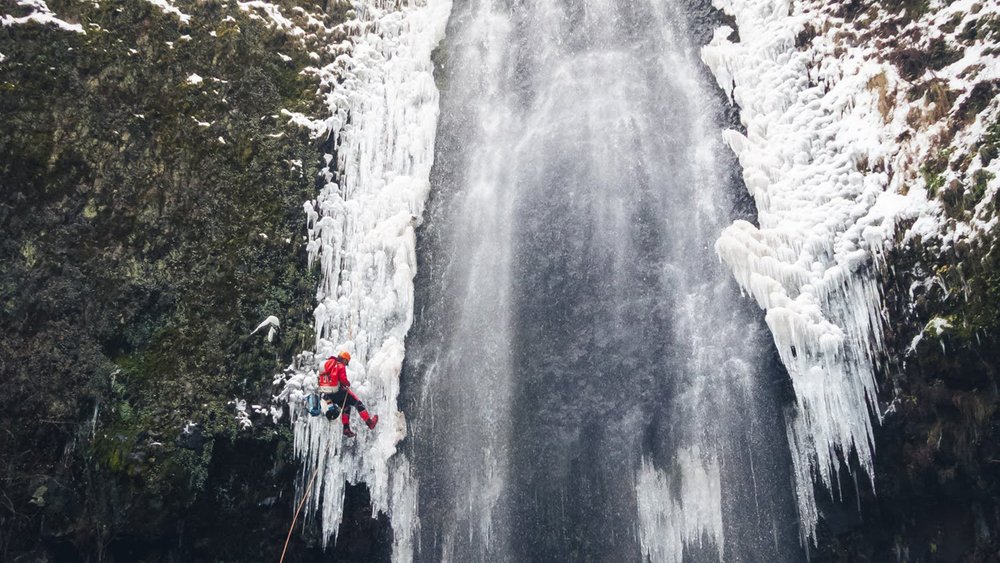
Water Ice
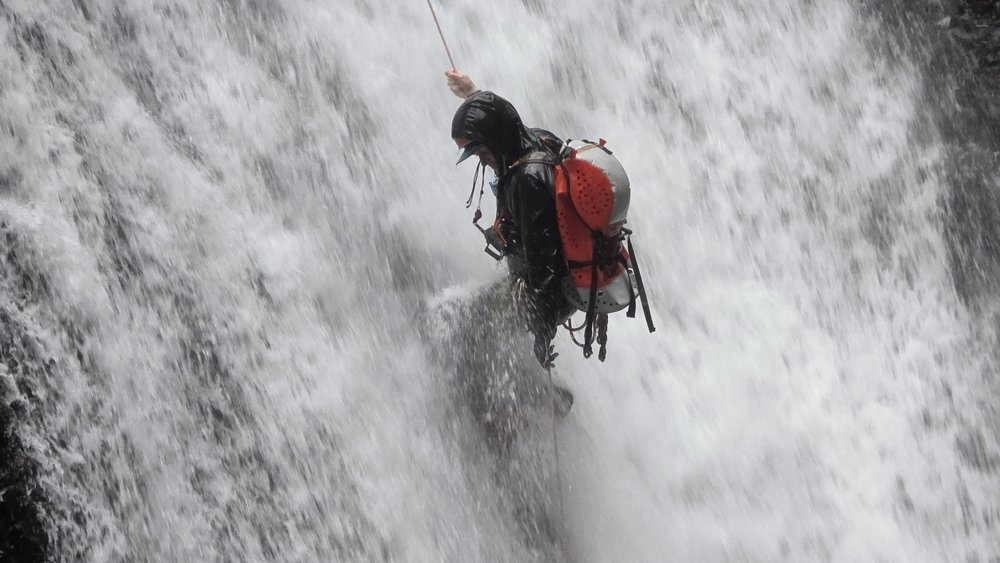
Cascade
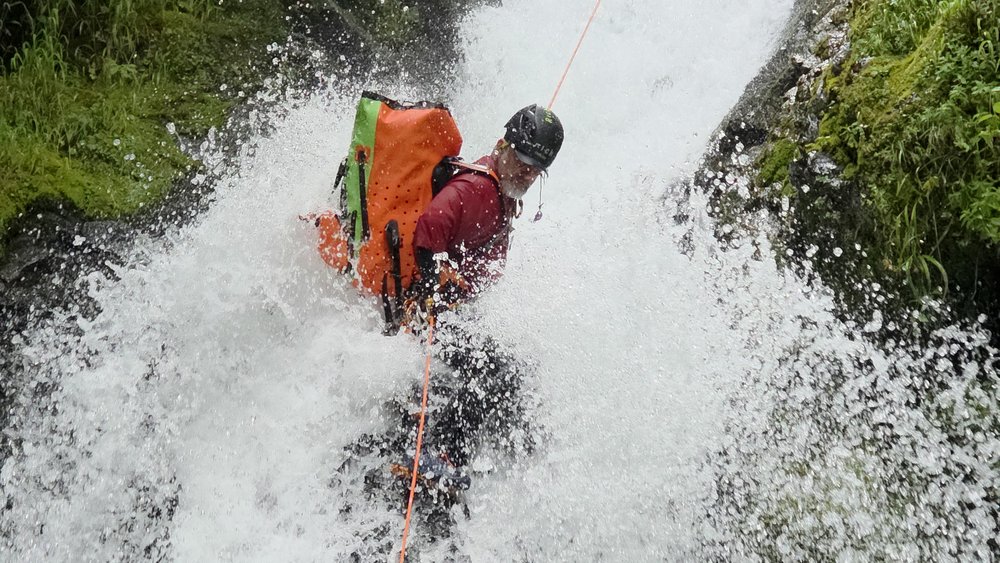
Openwater
Applications for 2026 are closed.
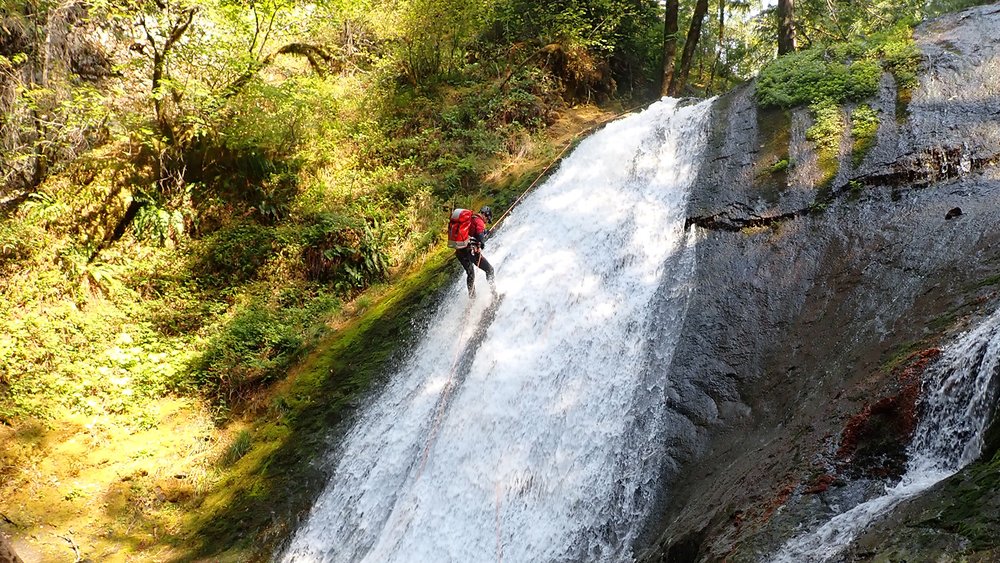
Canyons, the final frontier of the Pacific Northwest! Six lectures and two field sessions will teach canyoning specific anchor and rappel techniques to sustainably explore hidden canyons and wild waterfalls.
Canyoning is the sport of exploring canyons using a variety of techniques such as scrambling, climbing, rappelling, wading and swimming. The term is most often used to describe technical descents requiring ropes, harnesses, and other specialized gear. This class will focus primarily on local aquatic canyons in the Pacific Northwest.
2026 Info Night
Course Information & Format
The Mazama Canyoning course runs for six weeks from late May through June, featuring five Thursday evening classes at the Mazama Mountaineering Center (MMC). Students will attend two single-day field sessions, scheduled across three available weekends. An optional camping weekend follows in July.
See prerequisites for more details.
Key Dates:
Registration & Selection
March 5 – Registration Opens
April 6 – Registration Closes
TBD – Committee Selection
TBD – Notify Students
2026 Class Dates & Outings
May 21 – Class 1 6:30-9:00pm
May 28 – Class 2 6:30-9:00pm
June 4 – Class 3 6:30-9:00pm
June 11 – Class 4 6:30-9:00pm
June 13–14 – Outing 1* Expect all day.
June 18 – Class 5 6:30-9:00pm
June 20-21 – Outing 2* Expect all day.
June 25 – Class 6 6:30-9:00pm
June 27-28 – Outing 3* Expect all day.
*Students will attend two single-day field sessions, scheduled across three available weekends.
Community Events
July 9 – Potluck optional
July 17-19 – Campout optional
Canyon Leaders
Brian Wellman
View Profile ›
Hi Everyone. I love canyoning, climbing, mountaineering, backpacking, and split boarding to name a few. I love being a Mazama, I love the mountains and ...

Alex Danielson
View Profile ›
I grew up in the mountains and i enjoy returning to them.
Most of my outdoor life has been backpacking, lakes, and trails, even ...
Phil Newman
View Profile ›
I grew up in Florida and learned to love the outdoors by SCUBA, snorkeling, boating and swimming. I hiked the Everglades and worked north up ...
Wim Aarts
View Profile ›
Have done some kayaking, climbing, skimountaineering,hiking, biking, expeditioning, canyoneering and other trashing adventures
Starting in 1988 in the German Alpine Society I started Skimountaineering. Soon ...
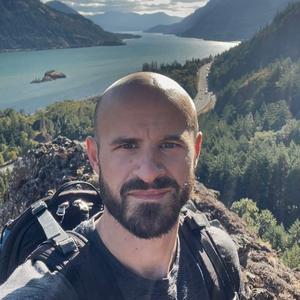
Clint Clow
View Profile ›
Oregon native. Didn't do the big touristy family vacations as a child, instead I got to spend time in nature! I grew up whitewater rafting ...
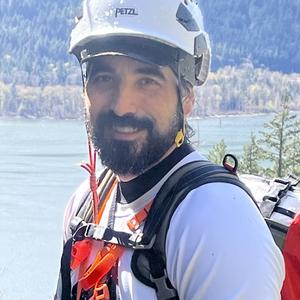
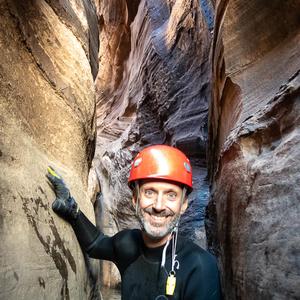
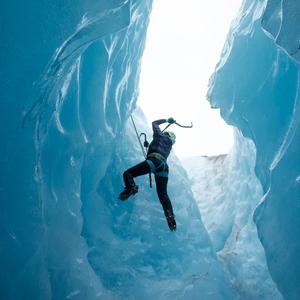
Emily Joy
View Profile ›
Expert skier, Avy 2 certified, past PSIA certified ski instructor with almost 2 decades of backcountry travel experience. Mazama educated climber, canyoneer and mountaineer. I ...
Michael Schoenheit
View Profile ›
My goal is to share my love of the outdoors and help inspire others to get involved in our community.
SSI volunteer, ...

Trey Schutrumpf
View Profile ›
My pronouns are he/him/his.
I grew up in Virginia spending most of my time around the water before I went to college in Appalachia. After ...
Annalisha Wellman
View Profile ›
I love outdoor activities and try to get outside as much as possible with my husband Brian and occasionally our two sons.
Course Details
Prerequisites
Participants must be able to safely execute a basic rappel without supervision. They should also be familiar with belaying, rope management, and wilderness navigation. Strong swimming skills are essential., Participants must be able to swim in flowing water, handle being splashed in the face, and tolerate full submersion. Comfort navigating slippery rocks and the mobility to climb over and crawl under obstacles are also necessary. One way to gain the required experience is by taking the Mazamas BCEP class.
Prior to class, students must complete V7 Academy Free Canyoning Level 1 course (online).
No previous canyoning experience is required.
Required Gear
Students are expected to have the following gear:
- Full body wetsuit (4/3 or 5/4 thickness if you run cold. No Farmer John wetsuits and shorties)
- Climb-rated helmet
- Quick links x 2 (climb-rated, size 6-8mm)
- 2 locking carabiners
- 15 feet of 1" black climb-spec webbing
- 40+ liter backpack Dry-packs not recommended.
- Dry bags
- Quick-dry synthetic clothing
- Rain shell
- Light hiking boots with decent tread
- Neoprene socks (recommended) and/or wool socks
- Rappel gloves (gardening gloves work well)
- Signal whistle (ex: Fox 40) attached to helmet
Gear Package
Canyoning class will loan each student:
- Canyoneering harness (range of sizes)
- Canyon-specific rappel device (Imlay Critr3 + locking carabiner)
- Personal protection with 2 lanyards + locking carabiners
- Mechanical ascenders (1 Petzl Kroll + 1 Petzl Basic)
- Figure 8 device + locking carabiner
- Canyon Draw (120cm sling + 2 locking carabiners)
- Footloop (120cm sling)
Tuition
2026 Tuition
- Member Tuition: $760
- Non-member Tuition: $875
Tuition Assistance and payment plans are available. The application for financial assistance is built into the course application process.
Tuition includes 5 class sessions, a minimum of 2 outtings and a copy of "Canyoning in the Pacific Northwest: A Technical Resource" by Kevin Clark.
Tuition Assistance
Tuition assistance, including payment plans and tuition assistance, is available. Requests for financial assistance are made via the course application and are reviewed by Mazama staff; they will not impact your application review or be seen by program leaders. Though funds are limited, we will do our best to accommodate a wide range of needs.
Skills Taught
- Aquatic rappel technique and situational awareness
- Rigging for Rescue
- Single rope technique (SRT)
- Why double strand technique (DRT) can be dangerous in aquatic canyons
- Ascending
- Why ATCs are not recommended in aquatic canyons
- Signals and communication
- Rope blocks
- Retrievable systems
- Canyon hazards
- Appropriate gear and thermal protection
- Introduction to canyon rescue
- Introduction to swiftwater
- Planning a canyon outing
- Leave No Trace (LNT) and canyon ethics
Canyoning Involves
- Teamwork
- Rappelling in flow
- Rappelling in confined spaces and awkward starts
- Releasable rope systems
- Rope management
- Deep water disconnects
- Swimming and dealing with swift water features
- Cold temperatures (many creeks are cold all year round)
- Bushwhacking
- Tremendous fun!
Canyoning History
Today, canyoning is practiced all over the world, although it is most well established in Europe and the United States. In North America, it's most commonly associated with the famous slot canyons of the Colorado Plateau, although it’s also practiced in the Rocky Mountains, the Sierra Nevada, Arizona, British Columbia, Mexico, Hawaii, and here in the Cascade Range. With one of the greatest concentrations of waterfalls in the world, canyoning is a natural fit for the Pacific Northwest.
Like climbs, canyons can vary widely in level of difficulty: ranging from the easy hike-through variety to the extremely technical. Dry canyons are significantly easier in terms of rigging and preparation compared to those with flowing water. The more water that’s present, the more difficult the canyon becomes.
While there are many similarities between canyoning and climbing, the two are unique sports with unique techniques and hazards. Experienced climbers may find their skills do not translate entirely to the canyon world; there’s a lot more to learn.
Canyoning Activities
Oct
14
Other
Canyoning Practice (Oct)
Nov
5
Other
Canyoning Practice (Nov)
Dec
10
Other
Canyoning Practice (Dec)
Click the "VIEW MORE" link below to see all of the Canyoning class activities.
Canyoning Contact Information
Do you have a question about the Mazamas Canyoning Class? Do not hesitate to email us at canyoning@mazamas.org